Electronic Signature: Meaning and Definition
What an electronic signature means, how it differs from a digital signature, and why intent, identity and signing evidence matter.


- An electronic signature is an electronic mark or action used with the intention of signing a document or record.
- A digital signature is a cryptographic mechanism; not every electronic signature uses one.
- The visible mark does not establish the signer's identity, document integrity or signature level.
- The appropriate signing method depends on the document, jurisdiction and required evidence.
What is an electronic signature?
An electronic signature, also called an e-signature or esignature, is an electronic mark or action that a person uses to sign a document or other record. It can be a typed name, a signature drawn on a screen, or another electronic process that records the person's intention to sign and connects that act to the record.
The important distinction is between a signature's appearance and the act of signing. A name in a contact list is not automatically a signature. The same name entered into a clearly identified signature field and deliberately submitted to sign an agreement can serve as one.
Electronic, digital and scanned signatures
Electronic signature is the broad concept. It describes signing electronically, rather than one particular technology. A digital signature is a cryptographic mechanism that can implement an electronic signature and help verify the origin and integrity of the signed data. Not every electronic signature uses a digital signature.
A scanned signature is an image of a handwritten signature. Someone may adopt that image to sign electronically, but the image alone does not establish who placed it, whether they intended to sign, or whether the document subsequently changed. A typed name can be part of a stronger evidence process than a realistic-looking handwritten image.
For a received document, review the signing evidence rather than judging the visible mark. Our guide to verifying an electronic signature explains the practical checks.
What connects the signature to the signer?
Intent, identity and document integrity answer different questions. Intent concerns whether the person meant to sign this record. Authentication concerns how the process checked the person accessing the signing request. Integrity concerns whether the signed content has changed.
A signing record may include the document, the action used to sign it, authentication results, event timestamps and an audit trail. These records help reconstruct what happened. An email address or IP address alone is not conclusive proof of a person's identity, and an audit trail is not a guarantee that a contract will be enforceable.
In practice, keep the completed document together with its associated evidence. Saving only a screenshot of the signature leaves out information that may matter if someone later questions the agreement.
Simple, advanced and qualified signatures
In the EU, these labels describe different requirements, rather than different handwriting styles:
- Simple electronic signature (SES) is the commonly used label for the basic electronic-signature concept. It does not, by itself, establish that the additional advanced or qualified requirements are met.
- Advanced electronic signature (AES) must identify and be uniquely linked to the signer, use signature-creation data under the signer's sole control with a high level of confidence, and make subsequent changes to the signed data detectable.
- Qualified electronic signature (QES) is an advanced signature based on a qualified certificate and created using a qualified signature creation device. The device can be managed remotely; it need not be a physical token held by the signer.
The European Commission's eSignature FAQ explains these distinctions. A visible signature, a provider's name, or an ordinary completion certificate does not establish that a signature is qualified.
Are electronic signatures legally binding?
Electronic signatures can have legal effect, but the answer depends on the document, jurisdiction and signing process. In the United States, the ESIGN Act's general validity rule prevents covered signatures and contracts from being rejected solely because they are electronic. It does not require everyone to accept electronic signing. Additional consent requirements apply when certain legally required written consumer disclosures are delivered electronically, and the Act has exceptions.
In the EU, eIDAS Article 25 protects electronic signatures from rejection solely because they are electronic or are not qualified. It also gives QES the equivalent legal effect of a handwritten signature. These rules do not remove other requirements for the agreement itself.
Before choosing a signing method, establish the relevant country, document type and any required signature level or formalities. A recipient may also have acceptance requirements. Sign.Plus's country-specific e-signature legality resources provide a starting point for that check.
What does an electronic signing process look like?
A typical process presents the document to the intended recipient, applies any required identity checks, captures a deliberate signing action, and retains the completed record and evidence. The checks should suit the transaction's requirements, rather than rely on how the signature looks.
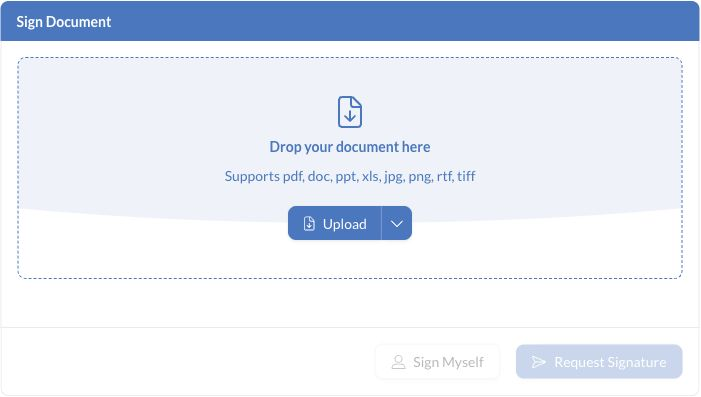
With Sign.Plus, you can upload a document, add recipients and assign signature fields before sending it for signing. Recipients can type, draw or upload their signature without creating an account. After completion, you can download the signed document and its separate Certificate of Completion to retain the signing record.
A Common Case: Sending a new-hire agreement
Consider a Texas real-estate company’s HR team preparing a new-hire agreement. After checking the document’s signing requirements, it sends the final version for review and signature, then retains the completed agreement and signing record together.
FAQs
Does an electronic signature have to look handwritten?

No. A typed name, drawn mark or another electronic signing action can serve as an electronic signature when the person uses it with the intention of signing the associated record.
Is an electronic signature the same as a digital signature?
No. Electronic signature is the broad concept of signing electronically; a digital signature is a cryptographic mechanism that can support it. Not every electronic signature uses that mechanism.
Is a Certificate of Completion a qualified certificate?
No. A completion record documents the signing process; it does not, by itself, establish that the signature is QES. A qualified certificate is a distinct credential required for a qualified electronic signature.
Does every document need a qualified electronic signature?
No. The required signature level depends on the applicable law, document and any recipient requirements. Check those requirements before choosing a signing method.

Featured Articles
See All




Confédération Suisse
Confederazione Svizzera
Confederaziun Svizra
İsviçre Konfederasyonu
Innosuisse - İsviçre İnovasyon Ajansı