Handwritten Signature: Wet, Drawn and Typed
How a handwritten signature differs from wet ink, drawing on a screen and typing a name.


- Wet ink is applied to paper; a mark drawn on a screen creates an electronic record.
- A script-style font does not make a typed signature handwritten.
- Appearance alone does not establish identity, AES status or cryptographic protection.
What is a handwritten signature?
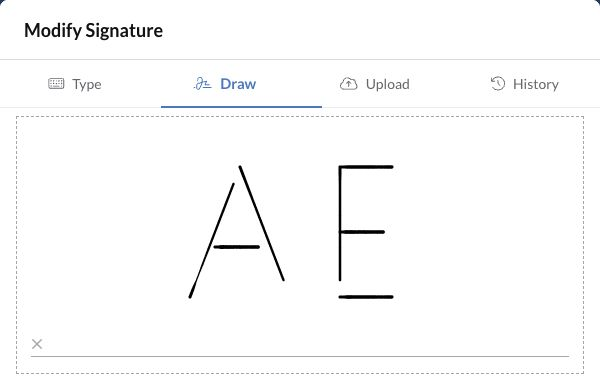
A handwritten signature is a signing mark written by hand. A wet signature is applied in ink to a physical document. A signature drawn with a finger or stylus on a screen is handwritten in appearance, but the resulting record is electronic.
A typed signature uses entered characters, sometimes displayed in a script-style font. That font does not turn the act into handwriting. Sign.Plus’s online signature generator lets you create a drawn or typed visual mark. A signature pad or touchscreen captures a drawn mark; it does not, on its own, establish the signer's identity.
Does the signature need a handwritten appearance?
Not always. The Law Commission's statement for England and Wales explains that intent and document formalities matter and identifies circumstances in which typed names and other marks can serve as signatures. That does not mean every document in every country accepts every form.
An electronic signature can therefore use a typed or drawn mark, subject to the relevant rules. Its appearance does not establish that it meets advanced-signature requirements or uses a cryptographic digital signature.
When does wet ink matter?
Check whether the specific document, recipient or applicable law requires a physical original or a particular signing form. Choose the method around those requirements, rather than assuming a handwritten-looking mark has stronger legal status.
A Common Case: Drawing a property-services signature
A Florida property manager reviewing a maintenance agreement might draw a signature on a tablet. That mark belongs to an electronic record, rather than a wet-ink original. The chosen method still needs to meet the agreement’s signing requirements.
FAQs
Is drawing on a screen a wet signature?

No. A wet signature is applied in ink to a physical document; a screen-drawn mark forms part of an electronic record.
Does my signature have to use cursive handwriting?
Not universally. Permitted forms depend on the document and applicable rules; handwriting style alone does not determine validity.

Featured Articles
See All





Confédération Suisse
Confederazione Svizzera
Confederaziun Svizra
Swiss Confederation
Innosuisse – Schweizerische Agentur für Innovationsförderung